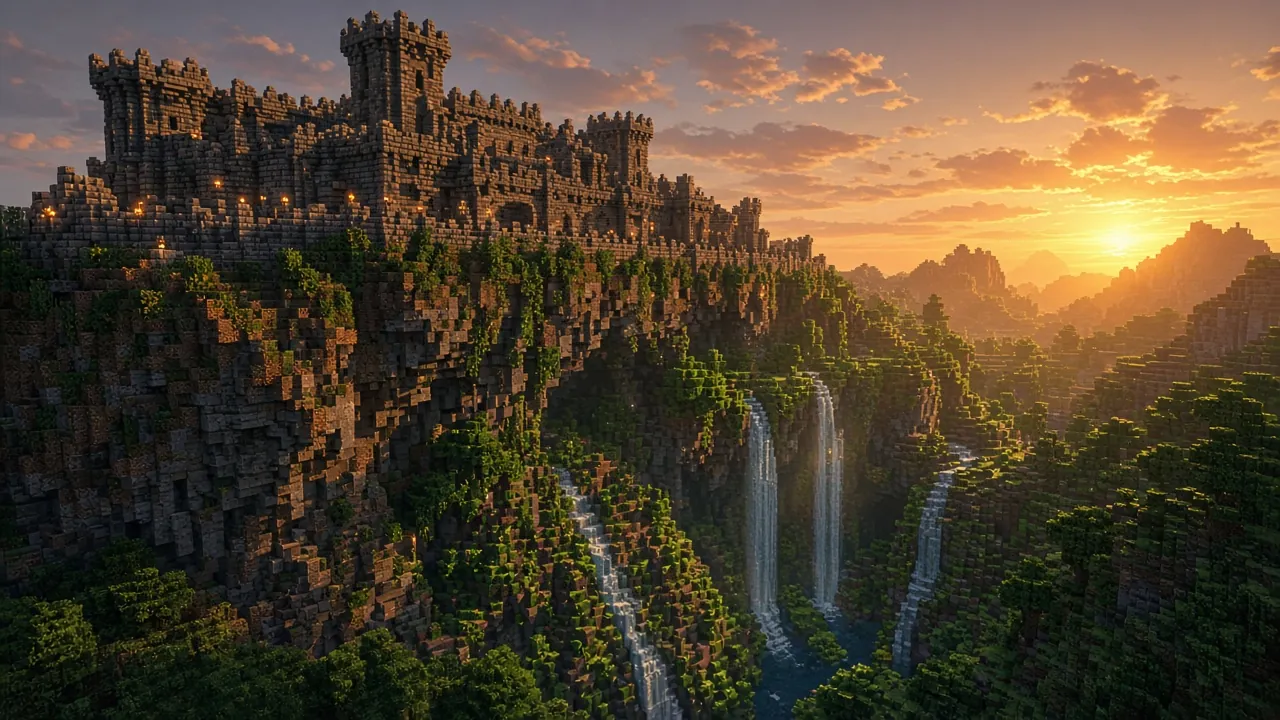
Are you an explorer in search of unique challenges in Minecraft? If so, hidden biomes offer a realm of adventure with untapped potential. These biomes are often overlooked but can be the perfect setting to craft your very own fortress. In this guide, we will dig into understanding these hidden biomes and provide you with essential techniques for building fortresses within them.
Discover the secrets of hidden biomes and transform them into impressive fortresses using our full guide. With step-by-step instructions and expert tips, you'll be well-equipped to start this creative journey. Whether it's mastering hidden door techniques or identifying key biome features, we've got you covered with all the information you need.
Understanding Hidden Biomes
Hidden biomes in Minecraft are distinctive environments discovered with specific seeds, featuring rare or unexplored terrain such as deep forests, darkened swamps, and mysterious ravines. Identifying hidden biomes is important for crafting fortresses within these unique settings.
One notable seed is the "Cottagecore" seed, which generates worlds tailored to the cottagecore aesthetic—gentle landscapes with wildflowers and cozy cabins (Voxel Build Guides & Tips, 2026).
The "Netherwart" seed is ideal for adventurous players, as it produces a world abundant in Netherwart plants, providing enchanting materials and challenging fortress construction (Minecraft Build Tutorials, 2026).
When exploring hidden biomes, consider terrain features like deep forests for dense cover or darkened swamps for strategic depth. Fortresses within these biomes require careful planning and the use of various Minecraft structures.
Hidden doors are essential for protecting treasures or secret rooms. There are five methods to create hidden doors in Minecraft, ranging from beginner-level painting doors to more complex designs (Minecraft, 2019). Understanding these seeds and features will help you craft distinctive fortresses within Minecraft's vast landscapes.
Crafting Fortresses: The Basics
To start the construction of a fortress in Minecraft, the crafting table stands as your foundational workbench. It's an essential tool that transforms raw materials like wood into planks and allows you to craft a myriad of building components. The crafting table's ability to convert wood blocks into useful items is pivotal for the development of your fortress.
Once you've acquired planks, they serve as the backbone for constructing various elements such as doors, windows, and slabs. This process begins by creating four planks arranged in a square pattern on the crafting grid, effectively creating a new crafting table or upgrading an existing one.
Another critical component for fortress construction is the furnace, which can be crafted from cobblestone. Furnaces are indispensable for smelting items such as iron blocks and other metals that will strengthen your fortress's defenses. Crafting a furnace involves placing cobblestone in a 3x3 grid on the crafting table, following the traditional Minecraft design pattern.
The combination of these two essential tools—the crafting table and the furnace—sets the stage for building a solid and well-protected structure in Minecraft. The crafting table helps the creation of necessary materials and enables you to see all available recipes within the game, making it easier to craft advanced items as your fortress grows. Remember, understanding the basics of crafting is the first step towards constructing an impregnable fortress in the Minecraft world.
Hidden Door Techniques
Hidden doors in Minecraft are functional and serve as guardians of treasures and gateways to secret passages within your fortress. Crafting these concealed entryways requires a blend of creativity and knowledge of the game's mechanics.
Beginner-level hidden doors can be easily constructed by overlaying paintings over an existing hole in the wall. This simple technique can lead you to a hidden room, perfect for storing valuable items away from prying eyes. To create such a door, begin by painting a canvas on the wall, ensuring it covers the entrance to your secret space. The key is to make sure the painting blends smoothly with the surrounding area to maintain its covert nature.
For those looking to dig deeper into hidden door techniques, more advanced methods are available. One such approach involves using pressure plates or activator rails for a more sophisticated mechanism.
Pressure Plates and Activator Rails
These components can be strategically placed so that when stepped on or activated, they open the hidden door. The process requires careful planning of the placement and activation points to ensure both secrecy and functionality.The pressure plate method is straightforward: place a pressure plate over the entrance to your secret room. When an entity steps on it (player, mob, or item), the hidden door can be triggered to open. The activator rail technique is slightly more complex but offers greater precision. You must lay down a line of activator rails and place an activator on top of the rail leading to the hidden door. This allows for more control over which actions will activate the door.
Remember, whether you're a beginner or advancing your skills, both methods require careful planning and attention to detail. The goal is to create a functional hidden door and one that blends smoothly with the environment, ensuring it remains a secret until revealed.
Seeds and Biome Features
Selecting the right seed is important for discovering hidden biomes with suitable terrain for constructing fortresses. You can locate seeds within villages or generate a random world using commands such as `/seed`. This method enables you to explore diverse biomes and landscapes. One popular biome feature that enhances fortress construction is ravines, which offer natural barriers and strategic advantages against potential invaders.
Lakes provide both aesthetic appeal and protection for fortresses, serving as moats around bases to deter unwanted visitors. They are also valuable sources of water, essential for survival in certain biomes.
When choosing a seed, it's important to consider the biome's climate. Some biomes may demand more resources or present different challenges. For example, a forested biome can offer abundant wood for construction, whereas a desert might require gathering water and food supplies.
In addition to generating seeds, you should also look for features like caves or underground networks that can serve as extra shelter or resource areas within your fortress. These features add complexity to your build and enhance its defensibility. Remember, the right seed will lay the groundwork for an engaging and challenging Minecraft fortress experience.
Building Your Fortress
Building your fortress effectively in Minecraft requires gathering essential resources. Wood planks and stone or iron blocks are important for walls and roofs, offering durability against invaders. Plan the layout of your fortress with accessibility and security in mind, considering door and window placement.
A crafting table is indispensable for crafting tools, armor, and weapons (https://www.minecraft.net/en-us/article/block-week-crafting-table). Efficiently arrange inventory space to manage resources effectively.
Incorporate hidden doors and trap mechanisms to enhance fortress security. Hidden doors can be created using various methods, from simple paintings covering a hole in the wall to complex solutions like pressure plates or tripwires (https://www.minecraft.net/en-us/article/how-build-hidden-doors). These features keep treasures safe and provide tactical advantages.
Include traps in your fortress design to deter intruders. Simple traps, such as pitfall traps, can be effective. More complex traps might involve pressure plates triggering a series of events. Test these mechanisms to ensure they function correctly without harming friendly players.
When constructing, prioritise defenses around valuable areas like the entrance or storage rooms. Build multiple levels with thick walls and iron doors for additional protection. A well-planned fortress combines accessibility and security to create an impenetrable stronghold.
Fortress Features
When designing your fortress in uncharted Minecraft seeds, consider incorporating key features that enhance functionality and comfort. A workshop area is essential for crafting and storage. It should include a Crafting Table, as it's the cornerstone of Minecraft’s crafting system. This table allows you to turn raw materials into tools, armor, and blocks, which are vital for survival and construction. The Crafting Table was introduced in version 0.31 on January 29, 2010, and is crafted by arranging four planks in a square formation, as noted by Duncan Geere in Block of the Week: Crafting Table.
Living quarters should be well-equipped with beds and furniture. Placing a bed in the centre of your fortress can be strategically beneficial, as it determines where you will spawn upon death or respawn after sleeping, as explained by Mojang Studios in How to build hidden doors. This central location also serves as an anchor for your base, making navigation easier.
Access to water sources and food supplies is important for sustaining yourself. Water can typically be found near biomes such as forests, deserts, and beaches, while food can come from farming or fishing, activities that are helped by the presence of seeds and other items. Seeds in Minecraft, as highlighted by Duncan Geere in Taking Inventory: Seeds, are essential for planting crops, which provide a steady supply of food.
- In summary, your fortress should have:
- A well-equipped workshop area with a Crafting Table.
- Living quarters with beds and furniture, possibly featuring a central bed.
- Access to water sources and sustainable food supplies.
Checklist for Fortresses
To ensure your fortress stands as a beacon of safety in the Minecraft world, follow this essential checklist:
- Gather Essential Materials: Start by collecting wood, cobblestone, iron, and tools. These are fundamental for building any structure in Minecraft.
- Craft Key Furniture Early On: Create a crafting table and furnace early in your game to manage resources effectively. The crafting table is important, as it allows you to craft the necessary items to progress in the game. It was introduced in version 0.31 on January 29, 2010, becoming an integral part of Minecraft's gameplay.
- Plan for Security: Construct hidden doors to protect your valuables from prying eyes or enemies. These doors should be strategically placed and not easily accessible. For instance, you can create a painting door by placing a painting over a hole in the wall that leads to a secret room, as explained by Minecraft's official guide.
- Manage Inventory: Keep track of seeds and crops. Seeds are essential for growing various plants and crops, which can be used for food, decoration, or trade. Managing your seed collection is vital for maintaining a sustainable farm, as outlined in Minecraft's Taking Inventory guide.
- Ensure Proper Construction: Your fortress should have sturdy walls, a reliable defence mechanism like a wall of arrows or a mob spawner, and a secure entrance. It's important to combine practicality with aesthetics when building.
- Check for Hidden Features: In addition to the primary structure, include hidden features such as secret passages or traps within your fortress. This will enhance security and add an element of surprise and fun.
- Regular Maintenance: Keep your fortress well-maintained. Repair any damages promptly and update defenses as needed to ensure it remains a safe haven in your Minecraft world.
Your next steps
Checklist for Fortresses
- Research the Seed: Ensure your seed contains the hidden biome features mentioned in this guide.
- Plan Your Layout: Map out your fortress, incorporating strategic locations for defenses and living spaces.
- Use Hidden Doors Wisely: Place hidden doors at strategic points to enhance the security of your base.
- Incorporate Biome Features: Use unique elements from the hidden biomes, such as dark oak trees or spruce forests, for aesthetic and practical purposes.
- Implement Fortress Features: Design features like a defensive tower, resource storage, and a living area to create a full fortress setup.
Frequently asked questions
What should you know about Understanding Hidden Biomes?
Hidden biomes in Minecraft are distinctive environments discovered with specific seeds, featuring rare or unexplored terrain such as deep forests, darkened swamps, and mysterious ravines. Identifying hidden biomes is important for crafting fortresses within these unique settings.
What should you know about Crafting Fortresses: The Basics?
To start the construction of a fortress in Minecraft, the crafting table stands as your foundational workbench. It's an essential tool that transforms raw materials like wood into planks and allows you to craft a myriad of building components.
What should you know about Hidden Door Techniques?
Hidden doors in Minecraft are functional and serve as guardians of treasures and gateways to secret passages within your fortress. Crafting these concealed entryways requires a blend of creativity and knowledge of the game's mechanics.
What should you know about Seeds and Biome Features?
Selecting the right seed is important for discovering hidden biomes with suitable terrain for constructing fortresses. You can locate seeds within villages or generate a random world using commands such as `/seed`.
Sources
- www.minecraft.net/en-us/article/block-week-crafting-table
- www.minecraft.net/en-us/article/how-build-hidden-doors
Facts, prices and links checked on 19 October 2026. Prices and features change, so confirm on the official pages before you decide.