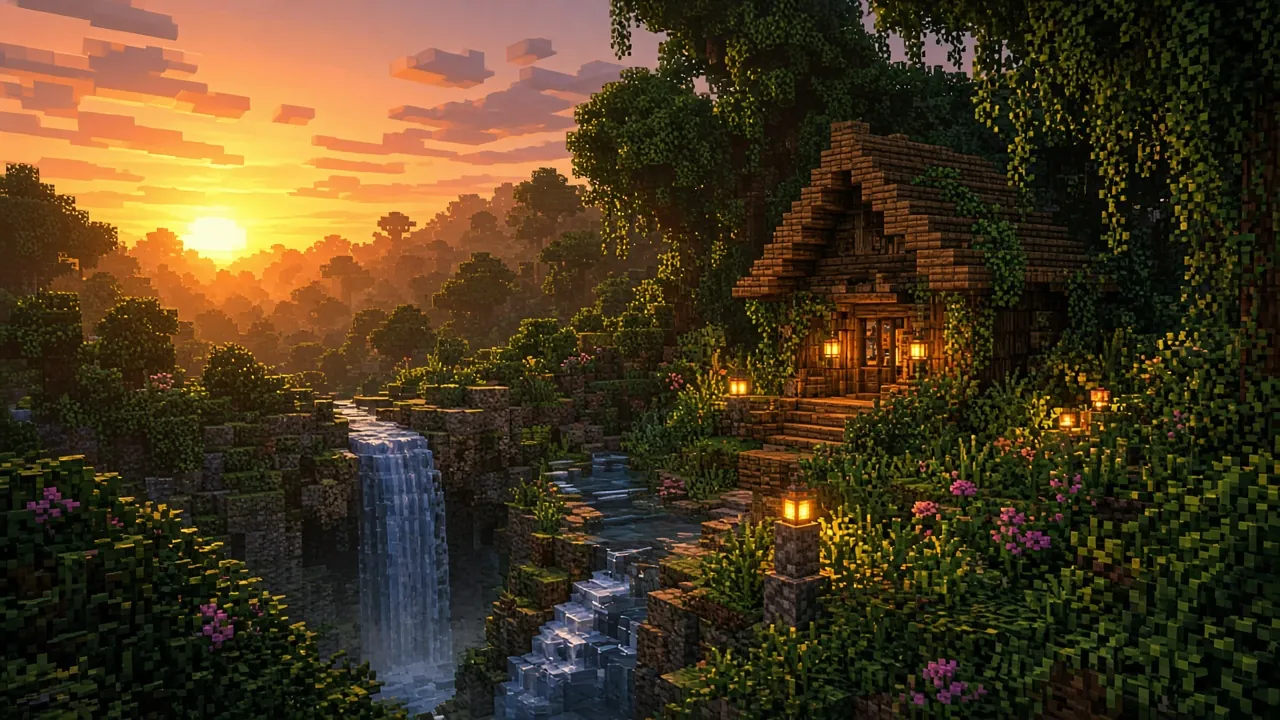
If you're yearning to craft a unique hideaway in Minecraft that feels truly uncharted, you're not alone. Many players struggle to find the perfect seed or understand how to best use biomes to create an immersive and personalised experience. In this guide, you'll uncover essential seed discoveries to help you design your dream hideaway. With insights into crafting techniques and creative inspiration, you'll be equipped with all the knowledge needed to build a world that is both beautiful and functional.
Discovering unique biomes is key to creating an engaging Minecraft hideaway. For instance, the Ender Island seed offers a mystical experience like no other, but only if you know how to handle its dangers effectively. With our full guide, you'll dig into various biomes, learn the art of crafting and building techniques, and incorporate natural elements smoothly into your design.
Understanding Minecraft Biomes
Minecraft biomes are dynamic ecosystems with their own unique characteristics and challenges. Each biome presents players with different landscapes and resources, which can significantly influence the design of your hideaway. For instance, the Nether is a fiery, otherworldly realm with its own set of dangers and rewards, while the End features floating islands and the Ender Dragon, a formidable foe. These distinct biomes require careful consideration when planning your build.
One key to creating an immersive experience in Minecraft is to draw inspiration from real-world environments. CubedRealism, a prominent builder featured in Concrete Dreams, emphasizes this approach. He explains that real cities are not planned out from the start but evolve naturally over time. Structures have histories, and architecture reflects the changing purpose of the city. Dereliction gives way to nature, old buildings are refurbished, and abandoned sites can become modern housing. This concept is important in Minecraft as well; every structure should tell a story and make sense within its environment.
The crafting table plays an essential role in this process, serving as the foundation for all your building projects. In Block of the Week: Crafting Table, it's highlighted that the crafting table transforms raw materials into usable items. This block was first introduced in Minecraft version 0.31, marking a significant development in the game. The ability to craft is fundamental to progression, and understanding how to use the crafting table effectively can greatly enhance your building capabilities.
To truly bring life to your Minecraft world, consider the historical context of the buildings you create. As seen in Dreaming Spires, ElysiumFire's charming city build is inspired by the architecture of classical European design and features elements such as red roofs, cathedral domes, and a vast layout reminiscent of medieval cities. This level of detail adds depth to your world and makes it more believable.
When crafting your dream hideaway, remember that each biome offers unique opportunities and challenges. Emulate real-world growth and change, use the crafting table wisely, and let architectural inspiration guide your design choices for an immersive Minecraft experience.
The Crafting Table's Role
The crafting table stands as an indispensable cornerstone for Minecraft players, serving as the heart of tool creation and item crafting. It is more than a block; it is a gateway to survival and building, transforming basic materials into essential tools, weapons, and structures.
To construct a crafting table, gather four wooden planks and arrange them in a square pattern—a process that has been part of Minecraft's early development, originally introduced in version 0.31 on January 29, 2010 (Block of the Week: Crafting Table). This addition marked a significant milestone for the game, as crafting was not initially included.
Upon its introduction, the crafting table was first referred to as a workbench and has since evolved to become an integral part of the game's gameplay. Among the earliest items craftable on the workbench were iron blocks, gold blocks, picks, swords, chests, signs, torches, and slabs (Block of the Week: Crafting Table). As the game expanded, so did the crafting table's capabilities, incorporating shapeless recipes in Beta 1.2.
The most recent version, Minecraft 1.12, even introduced an in-game feature to view all available recipes, although many players likely memorized their craftings before this innovation (Block of the Week: Crafting Table).
Far beyond basic item creation, the crafting table is a tool for creating complex structures and decorations. Players can use it to design intricate buildings, such as the Dreaming Spires city from ElysiumFire, which showcases architectural elements inspired by classical European design.
In essence, the crafting table is a block and an essential component for players to bring their Minecraft creations to life.
Designing Your Dream Hideaway
In crafting your dream hideaway in Minecraft, consider the historical context and purpose of structures to create a believable and immersive environment. Just as real-world cities evolve naturally over time, with dereliction giving way to nature's reclaiming of unused spaces and old buildings getting refurbished, your Minecraft world should reflect this dynamic narrative. This approach was exemplified by CubedRealism in his city build, where every structure has a history and contributes to the overall story of the city. The architecture reflects functionality and also the changing purpose of the space—dereliction giving way to nature's reclamation, and old industrial sites transformed into modern residential areas.
Inspiration for your Minecraft hideaway can be drawn from both real-world cities or fictional worlds, such as ElysiumFire's 'Dreaming Spires,' inspired by The Witcher 3. This city build captures the essence of classical European architecture, with red roofs, cathedral domes, and columns, all while being a tribute to the game that influenced its design.
Each structure in your Minecraft world should have meaning and contribute to the overall narrative. For instance, consider building a coal-burning power plant if you are creating a decentralised power grid within your world. This adds realism and gives context to the need for energy sources. CubedRealism emphasizes that "everything is supposed to have a meaning" in his builds, ensuring that each element contributes to the believability and depth of the world.
Also, incorporate elements that reflect your world's history and culture. Whether it's a bustling city or a serene rural area, the details should tell a story. This could involve designing streets with historical significance or creating landmarks that are central to the world's mythos. The key is to create an environment where players can imagine themselves as part of a larger, living world.
Crafting and Building Techniques
A crafting table is an essential tool for Minecraft builders. To craft one, gather four wooden planks and arrange them in a 2x2 grid on any surface within the game. This versatile block enables the creation of various items and tools vital for survival and construction. From basic tools like axes and pickaxes to advanced items such as buckets and furnaces, your crafting table serves as a central hub for creating essential elements.
Creative Material Usage
In Minecraft, creative use of materials is important. Iron blocks can be transformed into tools and armor, while glass can serve as windows or decorative elements. The key to creativity lies in experimenting with combinations and thinking outside the box. Use resources like stone, wool, and leather for diverse structures, ranging from simple shelters to grand castles.Construction Methods
Experimentation with construction methods is vital to determine what suits your build best. Whether you prefer a rustic wood aesthetic or a modern look using steel and glass, the method should align with your intended theme. Techniques such as scaffolding can aid in constructing tall structures, while layering blocks adds depth and texture to your builds.Building as Storytelling
Drawing inspiration from CubedRealism's city-building approach, every structure should have a history and context. This storytelling aspect enhances the believability and immersion of your Minecraft world. Consider the function and evolution of each building within the overall narrative of your creation to craft a more engaging environment.Exploring Unique Biomes
Each Minecraft biome presents unique resources and challenges, enhancing both crafting and building experiences. The Nether offers obsidian and soul sand for durable structures and useful items like soul sand blocks. In the End, players can find end stones and encounter the Ender Dragon, providing adventure and resource gathering opportunities.
Dreaming Spires, showcased by ElysiumFire on the Minecraft website, is a standout biome for architectural inspiration. This build demonstrates incorporating architectural elements from various eras into a cityscape, inspired by Novigrad from The Witcher 3 with red roofs, cathedral domes, and classical European design columns. This biome allows players to craft their own vision of a city, blending historical elements with modern creativity.
Minecraft offers diverse environments like the Badlands' arid deserts and the Forest's lush jungles, each providing unique challenges and rewards for building and crafting. Exploring these worlds can inspire new projects and offer opportunities to craft items not found elsewhere in the game.
For creating a believable world, attention to detail and context are key. CubedRealism emphasizes that successful city-building involves giving every structure a history and purpose, much like real cities grow naturally over time. This approach ensures a cohesive and engaging built environment, fully immersing players in their Minecraft creations.
Incorporating Natural Elements
Incorporating natural elements into your Minecraft hideaway enhances realism and adds depth and context to your builds. Just as CubedRealism emphasizes in his city-building approach, "real cities aren’t planned out from start to end; they grow naturally." This principle can be applied to your Minecraft creations by allowing nature to reclaim unused spaces. Dereliction is a powerful tool for creating interesting contrasts between old and new structures, much like abandoned industrial sites becoming swanky condos or the transformation of 80s buildings into modern graffiti canvases.
When designing with natural elements, consider how water, trees, and other features can interact with your built environment. Water sources such as lakes, rivers, or even simple ponds add a sense of fluidity to your world. Trees and plants provide materials for crafting and serve as natural focal points, framing your structures or providing cover from unwanted attention. For example, ElysiumFire's Dreaming Spires city demonstrates how classical European design can be integrated with natural elements like red roofs and cathedral domes.
To create a believable world, it's essential to infuse meaning into every element. CubedRealism explains that "everything is supposed to have a meaning; it needs to make sense." This means thoughtfully placing power plants, sewer systems, and other functional aspects of urban life, even if they are not directly visible. Similarly, when building a hideaway, make sure your structures and natural elements complement each other, creating a cohesive narrative about the history and context of the area.
By incorporating natural elements and considering their interactions with your environment, you can craft a Minecraft world that feels alive and immersive. This approach reflects the natural growth of cities and allows players to explore and engage with a more dynamic and believable landscape.
Creating a Believable World
Creating a believable world in Minecraft requires attention to detail and thoughtful consideration of your environment. CubedRealism emphasizes this approach, stating that "real cities aren’t planned out from start to end; they grow naturally." Apply this principle by incorporating elements such as dereliction, nature reclaiming unused spaces, and the transformation of old buildings.
Incorporate realistic infrastructure into your world to enhance believability. For example, a decentralised power grid with renewable energy sources like wind turbines or solar panels adds functionality and aesthetic appeal. Similarly, having a sewer system, even if unseen, can immerse players in the experience.
The Crafting Table is a cornerstone tool for achieving such realism. Use it to craft tools, furniture, and more.
In your Minecraft hideaway, consider adding elements like a power grid, renewable energy sources, and even a fictional sewer system. CubedRealism advises, "Whatever it is, everything is supposed to have a meaning." This approach ensures authenticity and realism in your world.
For an example of attention to detail, look at ElysiumFire's city build inspired by Novigrad from The Witcher 3 game. The architecture, with red roofs, cathedral domes, and columns, creates a believable European-inspired cityscape.
By focusing on these elements, you can craft a Minecraft world that looks good and feels alive.
Your next steps
- Review your biome profiles to ensure you've accurately captured the unique features of each biome.
- Incorporate at least two or three of the most distinctive elements from your chosen biomes into your hideaway design, such as lakes, jungles, or caves.
- Use advanced crafting techniques to create custom structures and features that enhance the authenticity of your world.
- Consider adding decorative elements like plants, flowers, and unique blocks to bring life to your hideaway.
- Regularly explore the unique biomes you've discovered to gather inspiration for future builds or modifications.
Frequently asked questions
What should you know about Understanding Minecraft Biomes?
Minecraft biomes are dynamic ecosystems with their own unique characteristics and challenges. Each biome presents players with different landscapes and resources, which can significantly influence the design of your hideaway.
What should you know about the Crafting Table's Role?
The crafting table stands as an indispensable cornerstone for Minecraft players, serving as the heart of tool creation and item crafting. It is more than a block; it is a gateway to survival and building, transforming basic materials into essential tools, weapons, and structures.
What should you know about Designing Your Dream Hideaway?
In crafting your dream hideaway in Minecraft, consider the historical context and purpose of structures to create a believable and immersive environment.
What should you know about Crafting and Building Techniques?
A crafting table is an essential tool for Minecraft builders. To craft one, gather four wooden planks and arrange them in a 2x2 grid on any surface within the game.
Sources
- www.minecraft.net/en-us/article/concrete-dreams
- www.minecraft.net/en-us/article/block-week-crafting-table
- www.minecraft.net/en-us/article/dreaming-spires
Facts, prices and links checked on 19 October 2026. Prices and features change, so confirm on the official pages before you decide.